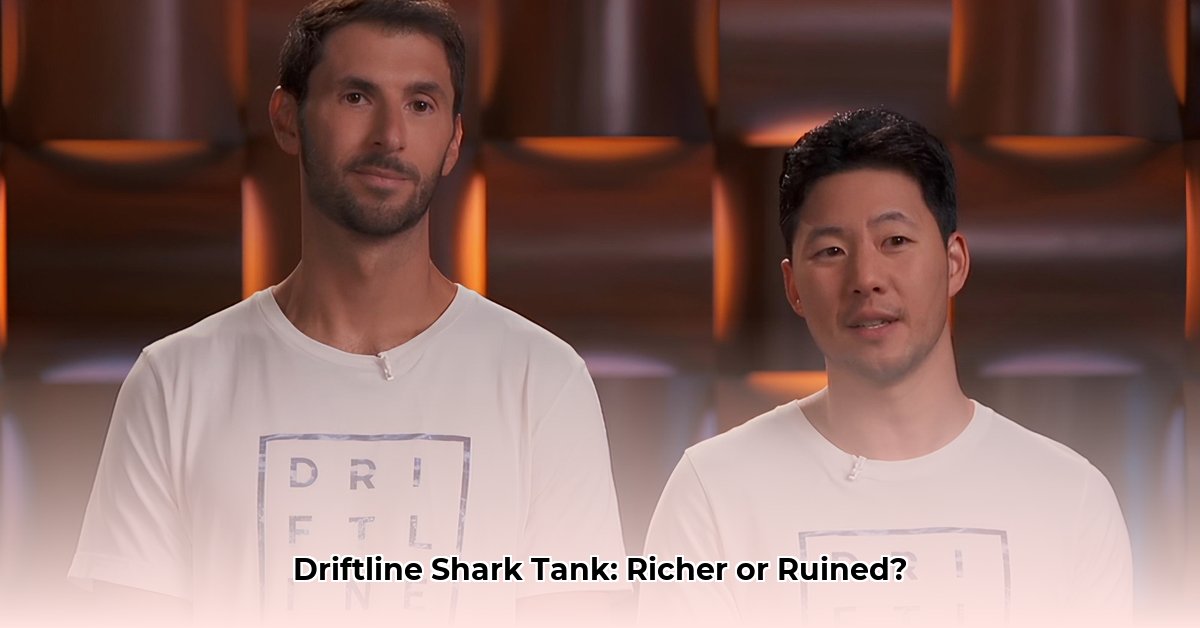
Driftline's Shark Tank Journey: From Sales Tsunami to Navigating Choppy Waters
Driftline, the board shorts company, experienced a dramatic surge in sales following its Shark Tank appearance – a reported quadrupling of previous sales almost overnight. This showcased the show's power to boost brand awareness, creating a "sales tsunami." However, this initial success was not sustainable. The company faced a subsequent sales dip, raising questions about its long-term viability and net worth. This case study analyzes Driftline's post-Shark Tank performance, exploring the factors contributing to both its initial success and its later challenges. For another example of a Shark Tank company's financial journey, see this analysis of Buggy Beds.
The Post-Boom Reality: Understanding Sales Volatility
While the Shark Tank appearance provided an undeniable boost, the subsequent sales decline highlights the challenges of maintaining momentum in a competitive market. Several factors contributed to this downturn: the inherent seasonality of the swimwear market, increased competition from similar brands, and the logistical hurdles of scaling production to meet unexpectedly high demand. Driftline's strategic decision to diversify its product line beyond its signature wetsuit-lined board shorts is crucial to this narrative. This diversification attempted to address seasonality and expand their customer base, but its full impact remains to be seen. Did it succeed in mitigating the sales dips? More data is needed to answer definitively.
Niche Market Dynamics: A Double-Edged Sword
Driftline's initial focus on niche wetsuit-lined shorts provided a unique selling proposition, but this very niche also presented limitations. Not all consumers desire this specialized product. Their expansion into unlined shorts represents a conscious effort to broaden their appeal and target a larger market. This decision carries inherent risk, requiring careful market analysis and effective marketing to reach new customer segments. But was it a calculated risk that paid off? Additional data is required to determine the success of this strategy.
The Sharks' Pass: A Missed Opportunity?
The absence of any investment from the Shark Tank investors is a significant factor. Their reluctance likely stemmed from concerns about the company's long-term scalability and the market limitations of their niche product. This lack of funding potentially hindered Driftline's ability to aggressively expand and capitalize on their initial post-show momentum. This lack of investment may have exacerbated the challenges in meeting increased demand and implementing broader marketing strategies.
Decoding Driftline's Financial Picture: The Need for Transparency
Precise figures regarding Driftline’s post-Shark Tank net worth remain elusive due to a lack of publicly available financial data. However, the initial sales surge undoubtedly improved their financial position. The subsequent decline, however, raises questions about profitability and financial sustainability. Were they profitable during their peak? What was their profit margin during the initial surge? What is the status of their current financial position? A clearer picture requires access to the company's financial statements.
Driftline's Adaptive Strategy: Broadening Horizons and Sharpening Marketing
Driftline's response to the post-Shark Tank challenges involved two key strategic pivots: product diversification and enhanced marketing efforts. The introduction of unlined shorts and possibly other product lines demonstrates a move towards a broader market reach, aiming to reduce reliance on the seasonal peak sales of the initial product. However, more detailed information about their marketing strategies is needed to accurately assess their effectiveness in reaching these newly targeted customers.
Actionable Insights and Risk Assessment
Driftline’s future success depends on several factors. Short-term priorities likely include strengthening brand identity, improving inventory management, and refining marketing. Long-term strategies could involve exploring new distribution channels, strategic partnerships, and even expanding into new product categories beyond swimwear.
The risks facing Driftline are substantial:
| Risk Factor | Likelihood | Impact | Mitigation Strategies |
|---|---|---|---|
| Sales Volatility | Moderate | High | Diversify product offerings, improve demand forecasting, explore new markets |
| Competition | Moderate | Medium | Emphasize brand differentiation, highlight unique product features and superior quality |
| Production Scalability | Moderate | High | Streamline manufacturing processes, optimize inventory management systems |
| Marketing Effectiveness | Moderate | Medium | Refine marketing strategies, improve targeting, utilize A/B testing for campaign optimization |
| Financial Sustainability | Low | High | Secure additional funding if needed, enhance cost efficiency, explore strategic partnerships |
Conclusion: Lessons Learned and Future Prospects
Driftline's post-Shark Tank journey offers valuable lessons for DTC apparel brands. The initial sales surge, although impressive, highlights the importance of sustainable growth strategies. The company's experience underscores the need for robust supply chain management, diversified product offerings, and consistent marketing to navigate market fluctuations and ensure long-term success. While the full picture of Driftline's financial health remains unclear, their story serves as a compelling case study in the challenges and opportunities of navigating the post-Shark Tank landscape.
Clarifying the Driftline Identity
Complicating the financial picture is the existence of multiple, distinct companies named Driftline that have also appeared on the show, including a data analytics firm and an eco-friendly fishing line brand. This creates significant brand confusion, meaning any accurate **Shark Tank Driftline review** must first specify it is analyzing the aquatic apparel company. This distinction is critical when trying to isolate and assess the board shorts company's specific **driftline net worth** from that of the other ventures. Doing so ensures the analysis remains focused on the challenges and strategies unique to the apparel brand founded by Wes Horbatuck and Greg Orfe.